Zanzibar non è solo una destinazione tropicale, ma un'esperienza plasmata da secoli di commercio, cultura, calde acque dell'Oceano Indiano e alcune delle spiagge più suggestive dell'Africa orientale. Che stiate pianificando una fuga romantica, un soggiorno benessere o una vacanza all-inclusive al mare, ecco tutto ciò che dovete sapere prima di visitare questo paradiso sull'Oceano Indiano.
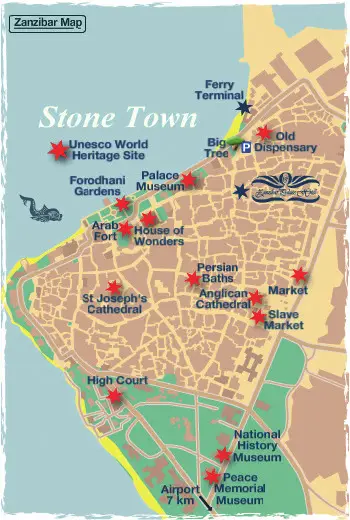
Stone Town is the historic old quarter of Zanzibar City, located on the western coast of Unguja Island, known for its winding alleys, carved doors, and centuries of Swahili, Arab, and Indian heritage.
UNESCO World Heritage Site for its cultural significance
Heart of Zanzibar’s history, trade, and architecture
Famous landmarks: House of Wonders, Old Fort, Forodhani Gardens
Built from coral stone, giving buildings their warm glow
Known for spices, markets, and traditional dhow culture
Visa: La maggior parte dei viaggiatori può ottenere un visto all'arrivo in Tanzania (verificare le normative vigenti prima della partenza).
Valuta: Scellino tanzaniano (USD ampiamente accettato nei resort).
ATMs: Stone Town has several ATM’s for withdrawing cash.
Lingua: Lo swahili (l'inglese è ampiamente parlato negli hotel e nel settore turistico) è la lingua più diffusa.
Durata del volo dall'Europa: Circa 8-9 ore di guida diretta
Ora di Zanzibar (GMT+3) :
Stone Town’s seafront is a breezy stretch of ocean views, dhows, sunsets, and lively waterfront atmosphere.
Perché i viaggiatori lo adorano:
Warm, golden sunsets over the Indian Ocean
Traditional dhows sailing past the promenade
Lively Forodhani night market with fresh seafood
Easy access to historic landmarks along the waterfront
Stone Town’s streets are a maze of narrow, twisting alleys filled with life, history, and atmosphere, a place where every turn feels like stepping deeper into Zanzibar’s story.
Coral‑stone buildings with carved wooden doors
Aromas of spices, coffee, and fresh bread
Local shops, markets, and hidden courtyards
Friendly street life with kids playing and vendors chatting
A blend of Swahili, Arab, and Indian architectural heritage
La cultura di Zanzibar è profondamente influenzata dalle tradizioni swahili, fondendo il patrimonio africano, arabo e indiano. I visitatori noteranno:
Calda ospitalità
Usanze di abbigliamento modesto nei villaggi
Tradizionali imbarcazioni dhow che navigano al tramonto
Frutti di mare freschi e piatti profumati e ricchi di spezie.
Il rispetto per le usanze locali arricchisce la tua esperienza e rafforza il legame culturale.
Ciò che rende speciale Zanzibar è il suo equilibrio:
Bellezza naturale
Profondità culturale
crescita sostenibile del turismo
Autentiche comunità costiere
clima caldo tutto l'anno
Whether exploring historic Stone Town, walking the sandy beaches, or relaxing under palm trees overlooking the Indian Ocean, Zanzibar offers both tranquillity and cultural richness.
Non è semplicemente un luogo da visitare, è un luogo che si sente.
Set in the heart of Stone Town, Emerson Spice Hotel is a lovingly restored architectural gem where Zanzibar’s rich history, vibrant culture and artistic spirit come together. This boutique heritage hotel offers an immersive experience: atmospheric rooms filled with character, rooftop dining inspired by local flavours, and a setting that places you right amid the winding alleys, markets and stories of old Zanzibar. Created for travellers seeking authenticity and connection, Emerson Spice blends comfort, culture and creativity in a way that makes every stay feel meaningful.
Some things to do in Stone Town? Join us at one of our regular evenings of live music events in Stone Town, art exhibitions or other hosted cultural events. From food to film festivals, we are at the heart of this vibrant pulsating Zanzibar capital Stone Town.
Follow our social media channels and stay up-to-date with the very latest in what is happening in Stone Town, Zanzibar.
FAQ
Further questions? Please, contact us.
It’s the part of Zanzibar where the island’s soul lives. When you walk these alleys, you’re walking through hundreds of years of trade, culture, and stories. We don’t see it as a “tourist site” - it’s our neighbourhood, our markets, our daily rhythm.
Stone Town is the old heart of Zanzibar City; a UNESCO World Heritage maze of coral‑stone houses, carved wooden doors, mosques, markets, and centuries of Swahili, Arab, Indian, and European history layered on top of each other.
Because it’s one of the best-preserved Swahili coastal cities in the world, with 500+ carved doors, Omani palaces, Indian merchant houses, and the site of the former slave market.
People come for the architecture, but they stay for the feeling. The call to prayer echoing through the alleys, kids playing football in tiny courtyards, the smell of cloves and grilled seafood - that mix is what makes Stone Town unforgettable.
Key highlights include the carved doors, Forodhani night market, the Old Fort, the old slave market, the Anglican Cathedral, and the waterfront at sunset.
If you only have a few hours, wander the alleys without a map, eat Zanzibar pizza at Forodhani, and watch the dhows glide past at sunset. That’s the Stone Town we locals love, simple, atmospheric, and real.
Yes, most definitely. It’s a lived-in neighbourhood with shops, families, and workers everywhere. Visitors walk day and night, especially around the main streets and waterfront. If you require help ask the hotel receptionist to arrange a member of staff to help you or someone to guide you.
We walk everywhere, and you can too. The alleys are narrow, so just watch out for scooters. Keep normal city awareness, but honestly, the biggest danger is getting lost, which is half the fun!
Most guides recommend 1 or 2 days to see the main sites, markets, and museums.
A full day is enough to “see” Stone Town, but two or three days lets you really 'feel' it.
Spend one day exploring the history, and another just living it, cafés, rooftops, markets, and slow walks through the alleys. And enjoy getting lost, its what visitors love to do.
Many people say that 'once Stone Town gets in your blood you will want to return time and again!'
When visiting Stone Town it is best to dress modestly and comfortably, as you will be exploring a historic and predominantly Muslim community. Light clothing that covers your shoulders and knees is appreciated, especially when walking through residential areas, markets or near mosques. Loose cotton shirts, linen trousers, long skirts and breathable fabrics work well in the warm climate.
You do not need to be formal. You simply need to be respectful of local culture while staying comfortable in the heat. Good walking shoes, a hat and sunscreen also make the experience much easier, since Stone Town is best explored on foot.
This approach keeps you cool, comfortable and culturally considerate while enjoying the beauty of the old city.